
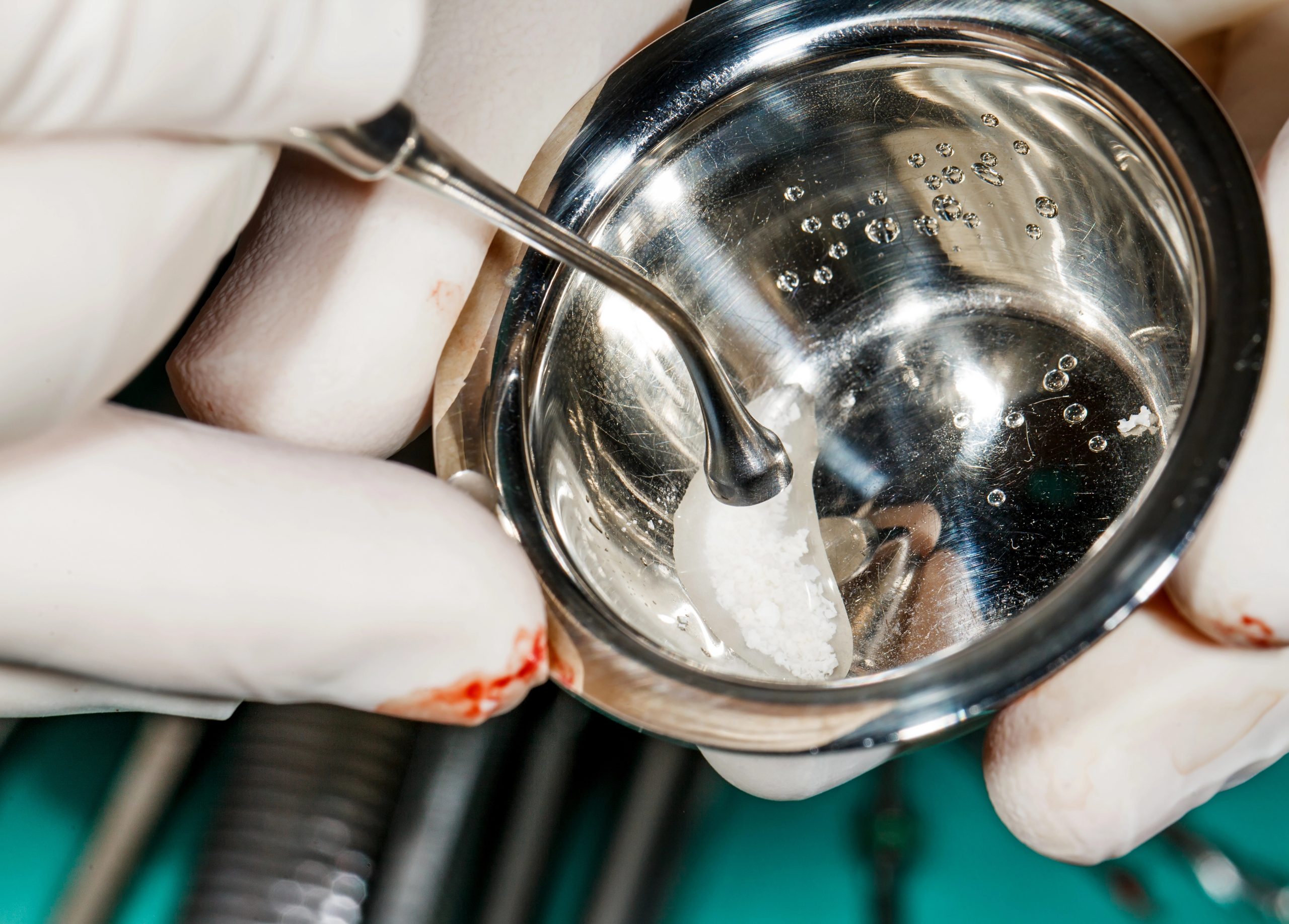
Bone Graft Surgery for Teeth: Understanding Bone Graft Surgery
Bone graft surgery for teeth is a crucial procedure aimed at restoring the bone structure in the jaw, which can be essential for maintaining oral health and stability. This surgery involves transplanting bone tissue to areas where bone loss has occurred, often due to tooth loss or periodontal disease. By enhancing the bone density and volume, bone graft surgery for teeth provides a solid foundation for future dental procedures, such as implants, ensuring that they are securely anchored and function effectively.
For those interested in learning more about the specifics of this procedure, the Dental Bone Grafting Procedure: What Patients Should Know offers valuable insights. Understanding the process and its benefits can help individuals appreciate the role of bone graft surgery for teeth in promoting long-term oral health. This surgical intervention not only supports dental restorations but also contributes to the overall structural integrity of the jaw, which is vital for both aesthetic and functional purposes.
Types of Bone Grafts
Bone graft surgery for teeth is a crucial procedure that supports dental implants and overall oral health. There are several types of bone grafts used in this surgery, each serving a unique purpose. Autografts, which use bone from the patient’s own body, are often considered the gold standard due to their high compatibility and success rate. Allografts, on the other hand, are sourced from a donor and are processed to ensure safety and effectiveness. Xenografts, derived from animal sources, and alloplasts, which are synthetic materials, offer additional options for patients needing bone graft surgery for teeth.
Choosing the right type of bone graft depends on various factors, including the specific needs of the patient and the condition of the jawbone. Each type of graft has its own advantages and potential drawbacks, making it essential to understand their differences. For those interested in learning more about the procedures involved, the Bone Grafting Procedures Temecula page provides further insights into how these grafts can enhance oral health and stability.
Reasons for Bone Grafting
Bone graft surgery for teeth is often necessary to address various oral health issues that can compromise the stability and function of the jaw. One primary reason for undergoing this procedure is to restore bone loss that may occur due to periodontal disease, trauma, or tooth extraction. When teeth are missing, the jawbone can deteriorate over time, leading to changes in facial structure and difficulties with dental implants or dentures. Bone grafting helps to rebuild and strengthen the jawbone, providing a solid foundation for future dental work and enhancing overall oral health.
Bone Graft Procedure Overview
Bone graft surgery for teeth is a crucial procedure aimed at restoring and enhancing the jawbone’s structure and stability. This surgical process involves transplanting bone tissue to areas where bone loss has occurred, often due to tooth loss or periodontal disease. The graft material can be sourced from the patient’s own body, a donor, or synthetic alternatives, and it serves as a scaffold for new bone growth, ultimately supporting dental implants or other restorative treatments. For more insights on bone graft surgery for teeth, you can consult with Matthew Adamo, DMD, a renowned Temecula Dentist.
Recovery After Bone Grafting
Recovery after bone graft surgery for teeth is a crucial phase that ensures the success of the procedure and the enhancement of oral health and stability. During this period, patients may experience mild discomfort and swelling, which are typical responses as the body heals and integrates the graft material. It’s important to follow any post-operative instructions provided by healthcare professionals to support the healing process. The duration of recovery can vary depending on individual circumstances, but it generally involves a gradual return to normal activities as the graft stabilizes and strengthens the jawbone, ultimately contributing to improved dental health.
Potential Risks and Complications
Bone graft surgery for teeth, while generally safe, may present potential risks and complications that patients should be aware of. Common issues can include infection at the graft site, which may require additional treatment. There is also a possibility of the graft not integrating properly with the existing bone, leading to graft failure. Swelling, pain, and bleeding are typical post-surgery symptoms, but if they persist, they could indicate complications. In rare cases, nerve damage may occur, resulting in numbness or tingling in the lips, gums, or teeth. Understanding these potential risks is crucial for anyone considering bone graft surgery for teeth to ensure informed decision-making and awareness of possible outcomes.
Success Rates of Bone Grafts
Bone graft surgery for teeth has become a pivotal procedure in modern dentistry, primarily due to its high success rates in enhancing oral health and stability. The success of bone grafts largely depends on factors such as the patient’s overall health, the quality of the bone graft material, and the specific technique used during the procedure. Generally, bone graft surgery for teeth boasts a success rate ranging from 80% to 90%, making it a reliable option for those needing to restore bone density and support dental implants. This procedure not only aids in maintaining the structural integrity of the jawbone but also plays a crucial role in ensuring the longevity of dental restorations.
Bone Grafting and Dental Implants
Bone graft surgery for teeth plays a crucial role in enhancing oral health and stability, particularly when it comes to dental implants. This procedure involves augmenting the jawbone to provide a solid foundation for implants, ensuring they are securely anchored. By addressing bone loss and creating a stable environment, bone grafting facilitates the successful integration of dental implants, ultimately contributing to improved oral function and aesthetics.
Long-term Benefits of Bone Grafting
Bone graft surgery for teeth offers numerous long-term benefits that significantly enhance oral health and stability. By providing a solid foundation for dental implants, bone grafting ensures that the implants are securely anchored, reducing the risk of future complications. This procedure not only helps in maintaining the structural integrity of the jawbone but also prevents bone loss, which can occur after tooth extraction or due to periodontal disease. Over time, patients who undergo bone graft surgery for teeth can experience improved oral function, better aesthetics, and increased confidence in their smile, contributing to overall well-being and quality of life.
Conclusion
Bone graft surgery for teeth is a vital step towards achieving optimal oral health and stability. For more information, call 951-296-0705 or read reviews on Google Maps.


