Dental Bone Grafting Procedure
Understanding Bone Grafting Basics
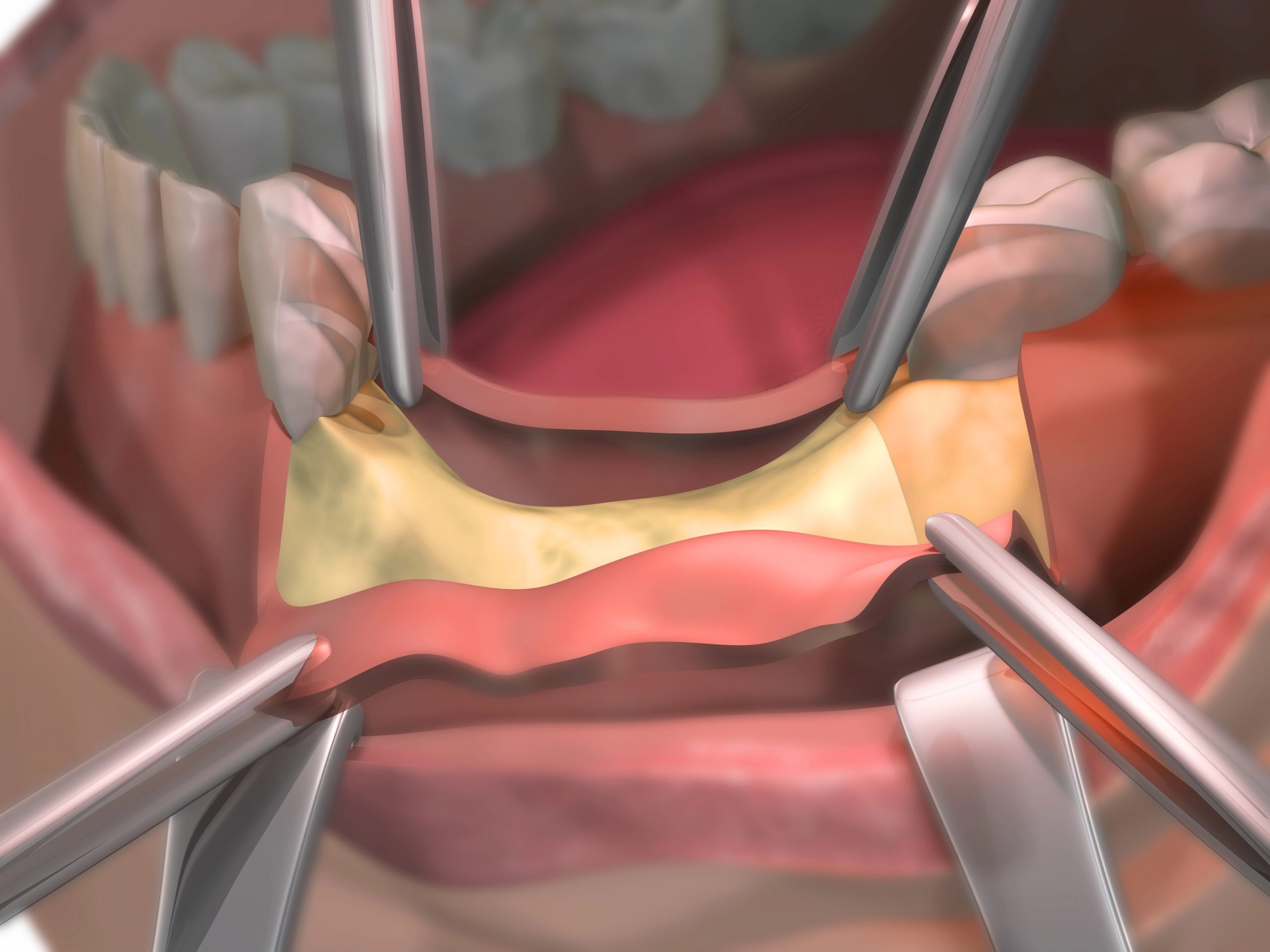
The dental bone grafting procedure is a crucial step for patients who require additional bone support in their jaw. This process involves transplanting bone tissue to areas where bone loss has occurred, often due to tooth loss or gum disease. The goal is to create a stable foundation for future dental work, such as implants, by encouraging new bone growth and strengthening the existing bone structure.
Patients considering a dental bone grafting procedure should be aware that it is a common and effective method to address bone deficiencies in the jaw. By understanding the basics of this procedure, individuals can better appreciate its role in oral health restoration. For more detailed information on how this procedure supports dental implants, visit our page on Bone Graft for Dental Implants: Building a Strong Foundation.
Dental Bone Grafting Procedure
The dental bone grafting procedure is often necessary for patients who have experienced bone loss in the jaw. This can occur due to various reasons, such as tooth loss, periodontal disease, or trauma. When a tooth is missing, the jawbone can begin to deteriorate over time because it no longer receives the stimulation it needs to maintain its density. This procedure helps to rebuild and strengthen the jawbone, providing a stable foundation for dental implants or other restorative treatments.
Another reason for undergoing a dental bone grafting procedure is to enhance the overall structure and appearance of the jawline. Patients who have suffered from significant bone loss may notice changes in their facial structure, which can affect their confidence and oral health. By restoring the bone, this procedure can help improve facial aesthetics and support the surrounding teeth and tissues. For more information on this topic, you can explore our Bone Grafting Services in Temecula.
Types of Bone Grafting Materials
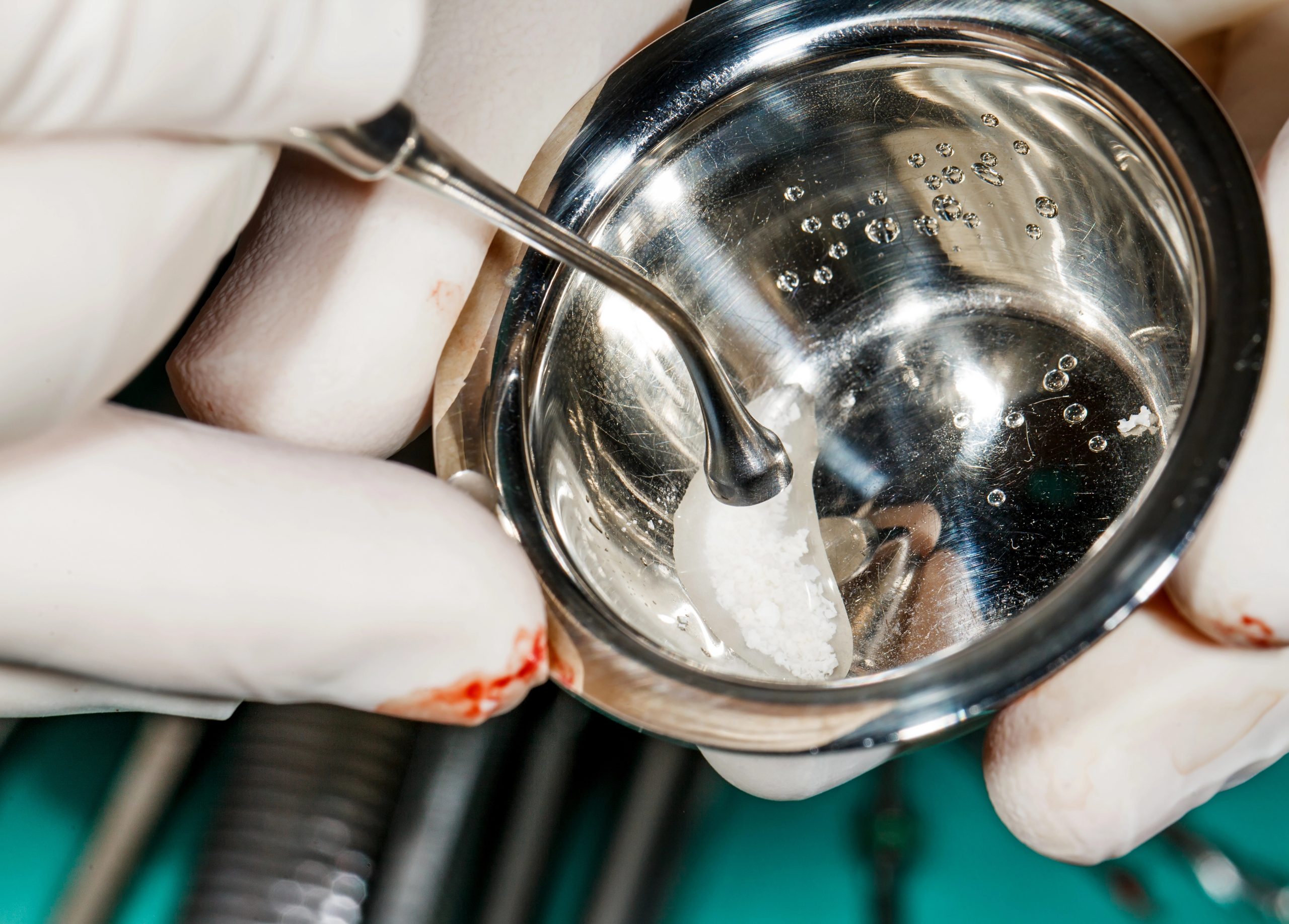
When considering a dental bone grafting procedure, understanding the types of bone grafting materials available is essential. These materials generally fall into four categories: autografts, allografts, xenografts, and alloplasts. Autografts are sourced from the patient’s own body, often from the hip or jawbone, providing a high success rate due to their biocompatibility. Allografts are derived from human donors and are processed to ensure safety and effectiveness. Xenografts come from animal sources, typically bovine, and are treated to be safe for human use. Alloplasts are synthetic options, often made from biocompatible materials like calcium phosphate. Each type of material has its unique properties and benefits, making it crucial for patients to discuss options with their dental professional to determine the most suitable choice for their specific needs.
The Bone Grafting Procedure Overview
The dental bone grafting procedure is a crucial step for patients who require additional bone support for dental implants or other oral health needs. This procedure involves the careful placement of bone material to enhance the jawbone’s structure, ensuring it can adequately support future dental work. The process typically begins with a thorough evaluation by a dental professional to determine the specific needs and the best approach for each patient. Once the plan is established, the bone grafting material is meticulously placed in the targeted area, promoting new bone growth and strengthening the jaw over time. For those interested in learning more about this procedure, Matthew Adamo, DMD, a Temecula Dentist, provides valuable insights into its importance and benefits.
Recovery Process After Bone Grafting
The recovery process after a dental bone grafting procedure is a crucial phase that involves the body naturally integrating the new bone material into the existing jawbone. Patients may experience some swelling and discomfort, which typically subsides within a few days. It’s important to follow any post-operative care instructions provided by the dental professional to ensure proper healing. The integration process can take several months, during which the new bone strengthens and stabilizes, preparing the site for future dental work if needed. Regular follow-up appointments are essential to monitor progress and ensure the success of the dental bone grafting procedure.
Potential Risks and Complications
When considering a dental bone grafting procedure, it’s important to be aware of potential risks and complications that may arise. While generally safe, some patients might experience issues such as infection, swelling, or bleeding at the graft site. There is also a possibility of graft rejection or failure, which could necessitate additional procedures. Nerve damage, though rare, can occur, leading to temporary or permanent numbness. It’s crucial for patients to discuss these potential risks with their healthcare provider to fully understand the implications of undergoing a dental bone grafting procedure.
Success Rates of Bone Grafting
The dental bone grafting procedure is a common and effective method used to restore bone in areas where it has been lost, often due to tooth extraction or periodontal disease. Success rates for this procedure are generally high, with many studies indicating a success rate of over 90%. Factors such as the patient’s overall health, the type of graft material used, and the specific technique employed can influence outcomes. However, the dental bone grafting procedure remains a reliable option for those needing to enhance bone structure in preparation for dental implants or other restorative treatments.
Preparing for Your Bone Graft
Before undergoing a dental bone grafting procedure, patients should be aware of the general steps involved in preparation. This typically includes a consultation with a dental professional to assess the specific needs and conditions of the patient. Understanding the dental bone grafting procedure can help alleviate any concerns and ensure that patients are informed about what to expect. It’s important to follow any guidelines provided by the dental team to ensure a smooth process and optimal results.
Post-Graft Care and Maintenance
After undergoing a dental bone grafting procedure, patients should be aware of the importance of post-graft care and maintenance to ensure optimal healing and integration of the graft material. Proper care involves following any specific instructions provided by the dental professional, which may include dietary adjustments and oral hygiene practices. Understanding the recovery process and maintaining regular follow-up appointments can contribute to the success of the dental bone grafting procedure, promoting long-term oral health and stability.
Conclusion
For more information on the dental bone grafting procedure, call us at 951-296-0705 or read our reviews on Google Maps.