
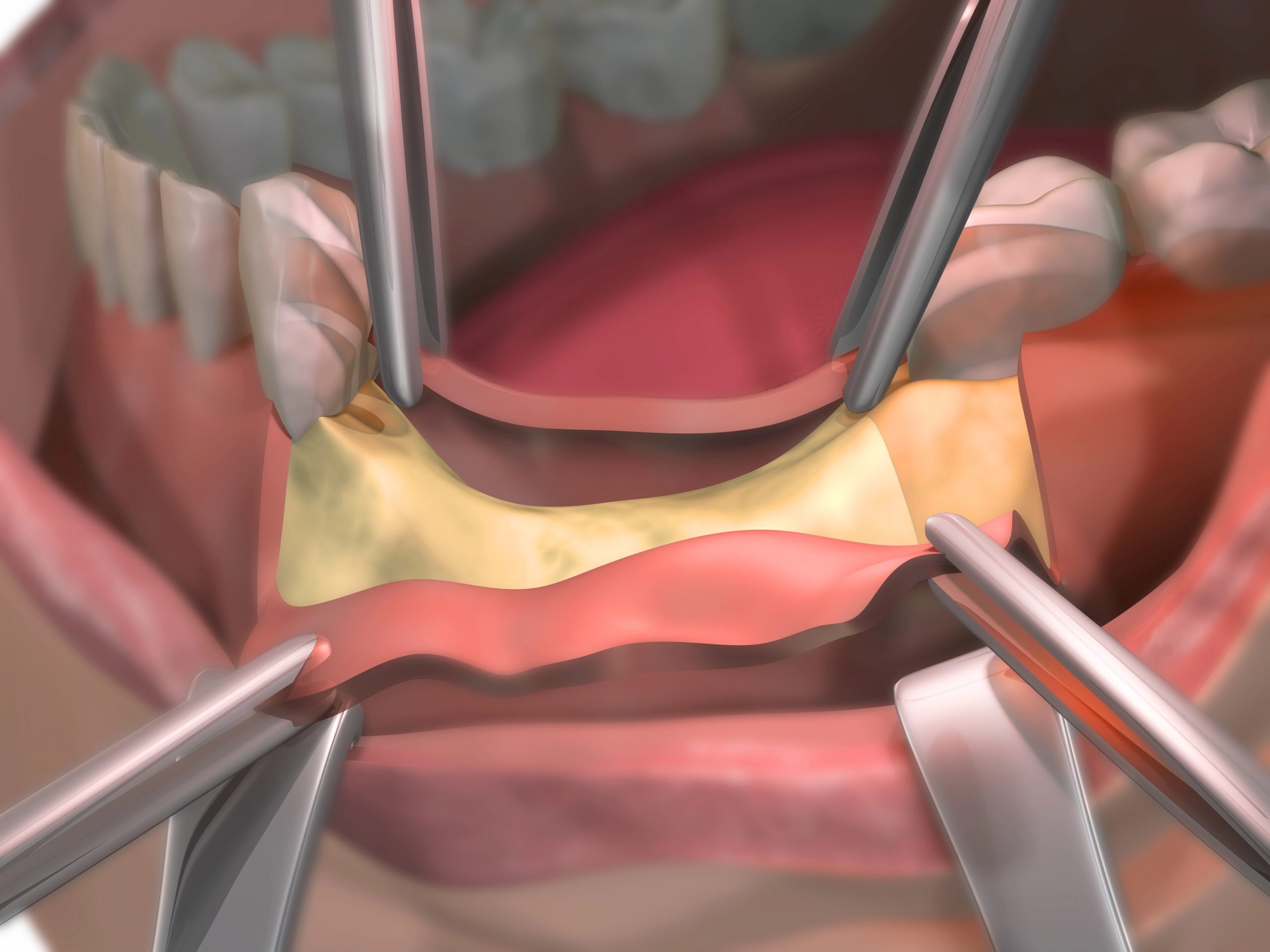
Types of Dental Bone Grafts
Autografts: Source and Benefits
Autografts are a prominent option among the types of dental bone grafts, primarily because they utilize bone material harvested from the patient’s own body. This method is often favored due to its high compatibility and reduced risk of rejection or infection. The bone is typically sourced from areas such as the chin, jaw, or even the hip, ensuring that the graft integrates seamlessly with the existing bone structure. This natural integration can lead to more successful outcomes in dental procedures requiring bone augmentation.
The benefits of autografts extend beyond compatibility. Since the bone is sourced from the patient, it contains living cells that can promote faster healing and regeneration. This can be particularly advantageous in complex dental restorations where bone quality and quantity are crucial. For more information on how bone grafts can enhance oral health and stability, visit our page on Bone Graft Surgery for Teeth: Enhancing Oral Health and Stability.
Allografts: Human Donor Material
Allografts are a popular choice among the various types of dental bone grafts. They involve using bone material sourced from human donors, which is then processed to ensure safety and compatibility. This type of graft is often favored due to its ability to integrate well with the recipient’s existing bone structure, promoting natural healing and regeneration. The use of allografts eliminates the need for a second surgical site, as no bone is harvested from the patient’s own body.
The process of obtaining and preparing allografts involves rigorous screening and sterilization to ensure that the material is safe for use in dental procedures. This makes allografts a reliable option for those seeking to restore bone density and support dental implants. For more information on the different types of dental bone grafts available, visit our page on Quality Bone Grafting Temecula.
Xenografts: Animal-Derived Options
Xenografts are a popular choice among the various types of dental bone grafts, utilizing bone material sourced from animals, typically cows. This option is often considered due to its availability and structural similarity to human bone, making it a viable alternative for those seeking bone grafting solutions. The process involves treating the animal bone to ensure it is safe and compatible for human use, providing a scaffold that supports new bone growth in dental procedures.
Alloplasts: Synthetic Alternatives
Alloplasts, as one of the types of dental bone grafts, offer a synthetic alternative for those seeking options beyond natural bone sources. These grafts are made from biocompatible materials, designed to mimic the structure and function of natural bone, providing a viable solution for patients needing bone augmentation. The use of alloplasts can be particularly appealing due to their availability and consistency in quality. For more insights on dental procedures, you can consult with Matthew Adamo, DMD at Temecula Dentist.
Bone Graft Healing Process
The bone graft healing process is a crucial phase in dental procedures involving various types of dental bone grafts. After the graft is placed, the body begins to heal by integrating the new bone material with the existing jawbone. This process, known as osseointegration, can take several months, during which the grafted area gradually becomes stronger and more stable. The success of this integration is essential for the overall effectiveness of the different types of dental bone grafts, as it ensures that the graft can support future dental work, such as implants or bridges. Regular follow-ups with a dental professional are typically required to monitor the healing progress and ensure optimal outcomes.
Factors Influencing Graft Choice
When considering the types of dental bone grafts, several factors can influence the choice of graft. These include the patient’s overall health, the specific dental condition being addressed, and the location and size of the bone defect. Additionally, the surgeon’s expertise and the desired outcome play crucial roles in determining the most suitable type of graft. Understanding these factors can help in selecting the appropriate option for successful dental restoration.
Comparing Graft Success Rates
When exploring the types of dental bone grafts, understanding the success rates of each option is crucial. Success rates can vary based on factors such as the type of graft material used, the patient’s health, and the specific dental procedure involved. Autografts, which use bone from the patient’s own body, often show high success rates due to their compatibility. Allografts, sourced from human donors, and xenografts, derived from animal sources, also demonstrate favorable outcomes but may differ in integration time and healing processes. Synthetic grafts, made from biocompatible materials, offer another alternative with varying success rates depending on the material’s properties and the surgical technique employed.
Potential Risks and Complications
When considering the types of dental bone grafts, it’s important to be aware of potential risks and complications that may arise. Common issues can include infection, swelling, or discomfort at the graft site. In some cases, there may be a risk of the graft not integrating properly with the existing bone, which could lead to further procedures. Additionally, allergic reactions to materials used in the grafting process are possible. Understanding these potential complications is crucial when evaluating the different types of dental bone grafts available.
Future Trends in Bone Grafting
As the field of dentistry continues to evolve, future trends in bone grafting are set to revolutionize the types of dental bone grafts available. Innovations in biomaterials and regenerative medicine are paving the way for more efficient and effective grafting techniques. Researchers are exploring the potential of 3D printing and stem cell technology to enhance bone regeneration, offering promising advancements in dental care. These developments aim to improve patient outcomes and expand the possibilities within the realm of dental bone grafting.
Conclusion
Understanding the types of dental bone grafts can help you make informed decisions about your oral health. For more information, call us at 951-296-0705 or read our reviews on Google Maps.


